The Dyno Sheet Is the Least Important Bit: A UK Remap Reality Check
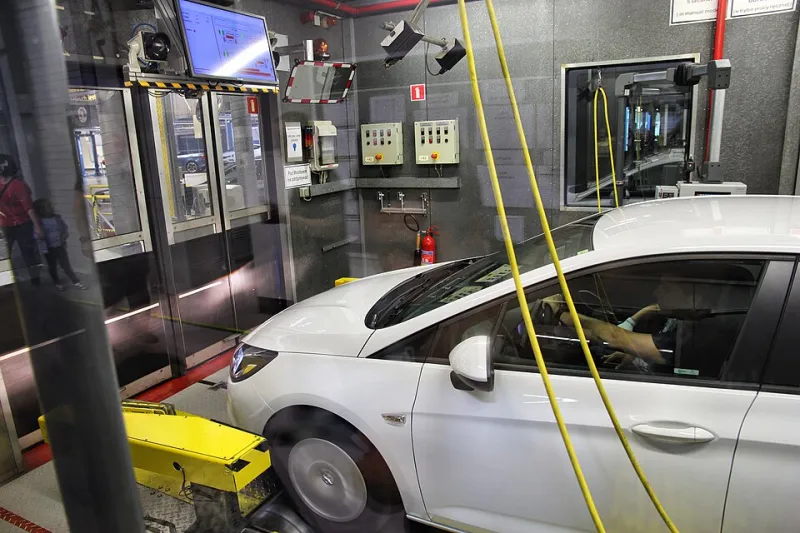
Photo: Marek Ślusarczyk (Tupungato) Photo portfolio, CC BY 3.0, via Wikimedia Commons
A Stage 1 remap is one of the easiest ways to make a turbo car feel quicker. It is also one of the easiest ways to turn a marginal clutch, a tired turbo and an undisclosed insurance policy into a very expensive lesson. At BTC Motors we like tuning. We just do not like the fantasy version of it that lives on social media, where every standard car makes 400bhp with a laptop and a dream.
The reality is simpler. A remap does not create health. It amplifies what is already there. If the car has a boost leak, a dirty MAF, a slipping clutch or a tank of 95 RON when the map wants 99, the map will not fix it. It will expose it. So before anyone talks about peak numbers, talk about the car underneath them.
Peak BHP is marketing, not a personality
Dyno figures vary. Correction factors, ambient temperature, strap tension, heat soak and operator technique all move the number. A car that makes 220bhp on a cold morning might make 205bhp on a hot afternoon. That does not mean the map changed. It means the dyno is a tool, not a certificate.
What matters more is how the car drives at part throttle, how torque is delivered, whether fuelling is safe, whether the boost comes in smoothly and whether the ECU is pulling timing because of knock. A spiky map that makes a big headline number but drives badly in traffic is not a good road map. A sensible Stage 1 on a healthy car should feel stronger without becoming an on-off switch.
Insurance: the boring bit that voids cover
A remap is a performance modification. If you do not tell your insurer, you are giving them a reason to decline a claim, cancel the policy or ask awkward questions after a crash. Assessors are not stupid. A modified car leaves traces. A remap can be detected, and a non-disclosure can follow you.
Get quotes before you book the map. Some mainstream insurers will load the premium heavily; some will refuse. Specialist modified-car policies exist for a reason. Paying an extra £100–£300 a year is annoying. Having a £10,000 claim refused is not annoying. It is life-changing. If the car is on finance, check the terms as well. Some agreements require permission for modifications.
Warranty fallout
Manufacturer warranties often exclude damage caused by modifications, and a remap can give a dealer grounds to reject an engine or drivetrain claim even if the map is not directly to blame. Aftermarket warranties are usually worse. Read the exclusions before you assume you are covered.
A £400 map can lead to a £4,000 turbo or engine bill if the wrong thing lets go. That does not mean every remap is dangerous. It means you should not spend the map money if you have no contingency for the supporting bits. Tuning is a system, not a file.
Clutch and turbo headroom
On manual turbo cars, the clutch is often the first weak point. A Stage 1 diesel can add a big wedge of torque low down, which is exactly where a worn clutch slips in fourth or fifth under load. A replacement clutch and dual-mass flywheel can be £800–£1,500 depending on the car. If the clutch is already high, budget for it before the map, not after.
Turbos have limits too. More boost means more heat and more shaft speed. An old variable-vane turbo with a sticking actuator or worn bearings will not thank you. Check boost logs, actuator operation, oil feed and intercooler condition. Petrol turbo cars may need fresh plugs, a healthy high-pressure fuel pump and clean injectors. Naturally aspirated cars often gain very little from a remap, so be sceptical of big claims.
Emissions kit, MOT and the law
This is where a lot of online tuning advice falls apart. Removing a DPF from a road car is not a cheeky weight-saving mod; it is illegal and can fail an MOT on smoke and visible tampering. Decats and EGR deletes are similar territory. The MOT does not measure peak power, but it does care about emissions equipment and smoke. A map that makes the car roll coal is not a fast car. It is a problem.
If a tuner offers to delete the DPF, EGR or AdBlue system on a road car, walk away. A proper road map should work with the emissions kit, not around it. Keep the standard hardware legal and make sure the map is suitable for MOT testing.
The pre-remap checklist
Before you book anything, the car should have a full service with the correct oil and fresh filters. Spark plugs should be right for the spec. Fault codes need fixing, not clearing. A boost leak test is cheap insurance. Check compression or do a leakdown test on higher-mileage engines. Look at clutch condition, gearbox health and cooling fans. Make sure the brakes and tyres can handle more speed. Get an insurance quote. Check the warranty and finance terms. Then talk to the tuner.
A health check before a map is typically £80–£150 at a specialist. A Stage 1 map is often £300–£600, with dyno time around £50–£100. That is the cheap part. The clutch, tyres, brakes and servicing are what make the car actually good.
Questions to ask a tuner
Ask to see before-and-after logs. Ask what boost, fuelling, ignition timing and exhaust gas temperatures are doing. Ask whether the file is generic or written for the car. Ask what fuel it expects and what happens on 95 RON. Ask what torque it makes and whether the standard clutch can take it. Ask if the original map is kept and whether the map is reversible. Ask how it behaves in hot weather and whether the cooling system is up to it. Ask about MOT compliance, insurance disclosure and warranty implications. A good tuner will answer without flinching. A bad one will talk about gains and change the subject.
Sensible versus fantasy
Sensible looks like a healthy standard car, quality fuel, declared insurance, fresh servicing and a Stage 1 map from someone who logs the car before and after. Fantasy looks like a high-mileage car with a boost leak, a slipping clutch and a DPF delete, sold as a 400bhp build. We have seen both. We have seen a Stage 1 car with a boost leak that felt slower than standard until it was fixed. We have seen a cheap map that lit the dash like a Christmas tree. We have seen a DPF delete fail an MOT and cost more to put right than the map cost in the first place.
A remap is not a repair. It is a calibration change. Fix the car first, then tune it. If you cannot afford the health check, the insurance increase and the supporting maintenance, you cannot afford the remap. That is the BTC Motors line, and we are sticking to it.