Hammer Price Is Only the Opening Bid: A UK Auction Reality Check
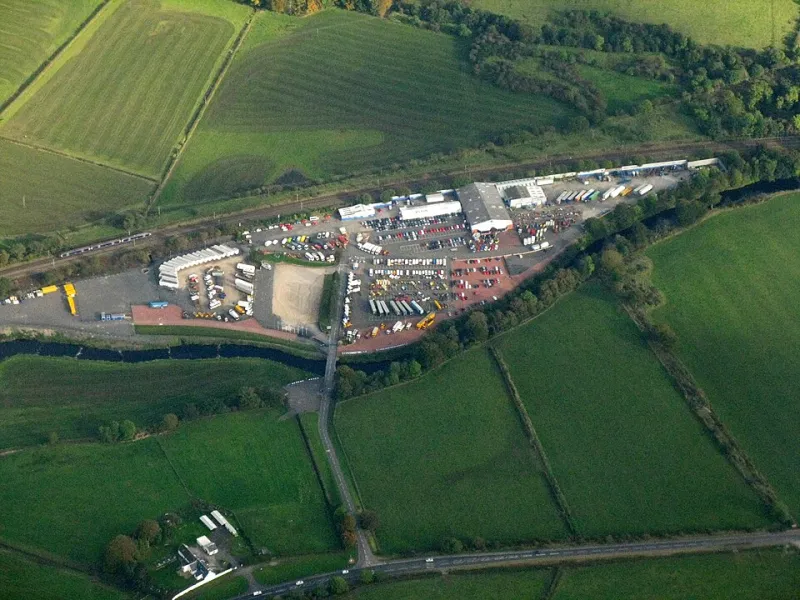
Photo: M J Richardson , CC BY-SA 2.0, via Wikimedia Commons
The number on the board is not the number you pay
A car goes through the block at £4,000 and the room feels like a win. Then the buyer's fee lands, the admin charge appears, VAT gets added to the fees, the online bidding surcharge shows up and the transport quote comes in. Suddenly the £4,000 car is a £4,800 car before anyone has put a spanner on it.
That gap is not a scam. It is the auction model. But it catches private buyers out constantly, and it catches traders too when they get carried away in a hot sale. Budget 15 to 25 per cent on top of the hammer price once fees, VAT, transport and a basic prep are accounted for. If the car needs tyres, a service and a screen, add more.
The hammer price is a wholesale entry point. It is not the retail cost of the car, and it is definitely not the cost of putting it right.
What the condition report leaves out
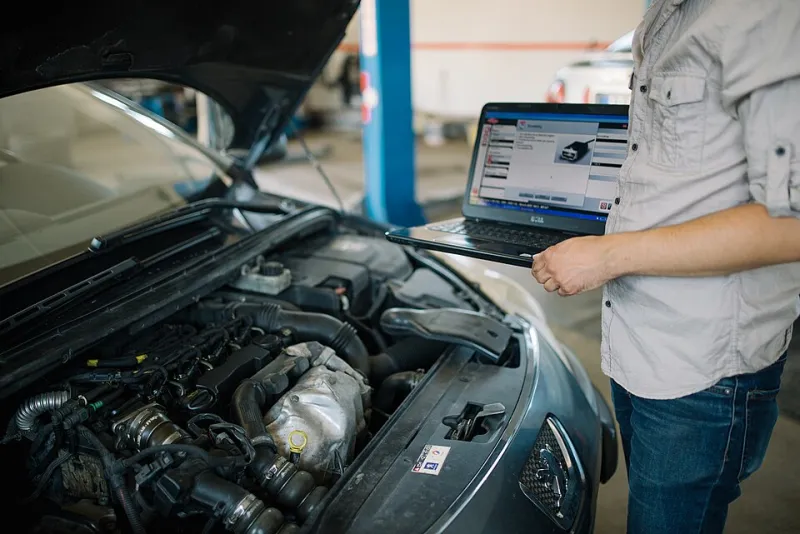
Auction condition reports are useful, but they are a grader's snapshot, not a mechanical inspection. 'Run and drive' means it started and moved. It does not mean the gearbox is happy, the clutch is healthy or the warning lights stay off after the ignition cycle.
The report might mention a scratch on the bumper and miss a weeping radiator. It might note 'oil leak' without telling you whether it is a rocker cover gasket or a rear main seal. It might say 'requires attention' and leave you to discover that the attention required is a £1,200 dual-mass flywheel.
Photos are worse. Auction hall lighting flatters paint, hides kerbed alloys and turns a misted headlight into a design feature. If you cannot view, you are not buying a car. You are buying a description with a V5 attached.
The viewing is where deals are won
Go early. Take a torch. Look at the car in daylight if you can, and if you cannot, use the torch to check the things the floodlights miss.
Start with the paperwork. Does the V5 match the car? Is the service history present or just a hopeful stack of old MOT certificates? Check the MOT history online before you bid — mileage gaps, repeated advisories and a long list of failures tell you more than any shiny valeting job. A HPI check is cheap insurance against outstanding finance, theft markers and write-off history.
Then walk the car. Panel gaps, paint mismatch, overspray on rubbers, fresh underseal hiding rot, mismatched tyres, brake discs with a lip you could trip over. Check the boot floor and spare wheel well for water. Look at the sills and jacking points. Count the keys. Check the warning lights come on and go out as they should. If the auction allows a cold start, listen for rattles, whines and a starter that sounds tired.
Do not bid on a car you have not seen, unless you are genuinely happy to pay scrap-adjacent money for a gamble. Auction fever thrives on mystery.
Fees, indemnity and the small print
Trade-only sales and public sales are different animals. Trade sales often assume you have a account, a trade insurance policy and the ability to collect quickly. Public sales are more forgiving, but the indemnity is usually limited and the car is still sold as seen.
Read the sale terms before you raise a hand. When does payment clear? How long do you have to collect? What is the storage charge per day? Can you return the car if the engine lets go on the way home? Usually the answer is no. Some auctions offer limited indemnity for certain categories, but it is not a warranty and it will not cover wear and tear, warning lights or a clutch that was already on borrowed time.
Online bidding adds convenience and competition. It also adds a surcharge and removes the chance to poke the car with a torch. If you are bidding remotely, assume the worst and bid accordingly.
A practical pre-bid checklist
- View the car in person, ideally in daylight.
- Check the V5, MOT history, mileage trend and HPI status.
- Confirm the key count and that the car starts and moves.
- Look for structural rust in sills, floors, subframes and suspension mounts.
- Check tyre brands, tread depths and dates — mismatched budget rubber tells a story.
- Inspect the interior for wear that contradicts the mileage.
- Look for warning lights, aftermarket wiring and signs of a hard life.
- Work out the total cost: hammer price, fees, VAT, transport, prep and likely repairs.
- Set a maximum and write it down. Then walk away when the bidding passes it.
Bargain or money pit?
The bargains are usually boring: ex-fleet cars with full history, common models with cheap parts, minor cosmetic damage and a long MOT. A scuffed bumper on a sound car is an opportunity. A clean-looking car with no history, three warning lights and a whiff of coolant is a trap with a nice valet.
Be wary of anything rare, complex or recently 'restored'. Air suspension, dual-clutch gearboxes, complex diesels with DPF and EGR issues, and cars with mismatched panels can all swallow a bargain in one visit to the workshop. A cheap car with a £1,500 fault is not a cheap car.
Auction fever is real. The room gets busy, the bidding jumps, and suddenly you are bidding against your own ego. The car does not know what you paid for it. The workshop bill will not care either.
The bottom line
The hammer price is the least important number in the auction. What matters is the total cost of getting the car roadworthy, reliable and sellable — and whether you would still want it at that price.
Buy at the block with your eyes open, your checklist in hand and your maximum written down. If you cannot inspect it, do not bid. If the fees make the bargain disappear, walk away. The next car is always coming through.