The Belt Is Swimming in Oil: Spotting a Wet-Belt Money Pit Before You Bid
There is a certain kind of used-car advert that should make you pause. It is a small turbo petrol hatchback, maybe a Fiesta, a Corsa, a 208 or a C3, priced at the sharp end of the forecourt. The paint is tidy, the mileage is reasonable and the seller is keen to tell you how economical it is. What the advert probably will not mention is that the engine has a timing belt running inside the oil sump, and that belt is a service item with a nasty habit of turning into somebody else's four-figure problem.
Wet belts are not the devil. Plenty of them live long, happy lives. But they are far less forgiving of skipped servicing, cheap oil and a previous owner who treated the car like a fridge. If you are buying at the cheaper end of the market, you need to know what you are looking at before you shake hands.
What a wet belt actually is
A conventional timing belt runs dry at the front of the engine. A wet belt runs inside the engine, bathed in oil. The idea is quieter running, less friction and a compact package. Fine in theory. The catch is that the belt is now sharing its life with the oil, and the oil is doing more than lubricating bearings. It is cooling, cleaning and carrying debris.
When the oil is wrong, old or simply not changed often enough, the belt can start to degrade. Bits of rubber and cord end up in the sump. Those bits can block the oil pickup, starve the engine of pressure and turn a routine service item into a recovery truck job. By the time the oil pressure light flickers, the damage is often already done.
The usual suspects on a UK forecourt
The one everybody knows is the Ford 1.0 EcoBoost. Fiesta, Focus, B-Max, EcoSport and C-Max all used it, and there are thousands of them in the sub-£5k bracket. The other big one is the PSA and Stellantis 1.2 PureTech, which turned up in the Peugeot 208 and 2008, Citroen C3 and C4, and Vauxhall Corsa. There are others, including some small diesels, but those two families are where most buyers will meet the issue.
Do not assume every small turbo engine is a wet-belt design. Check the engine code and the service schedule rather than listening to the seller. A 1.0 EcoBoost badge is a strong hint, but the proof is in the paperwork and the engine number. If the advert says 1.0 EcoBoost and the price looks too good, assume the belt is due until somebody shows you otherwise.
How to spot one before you buy
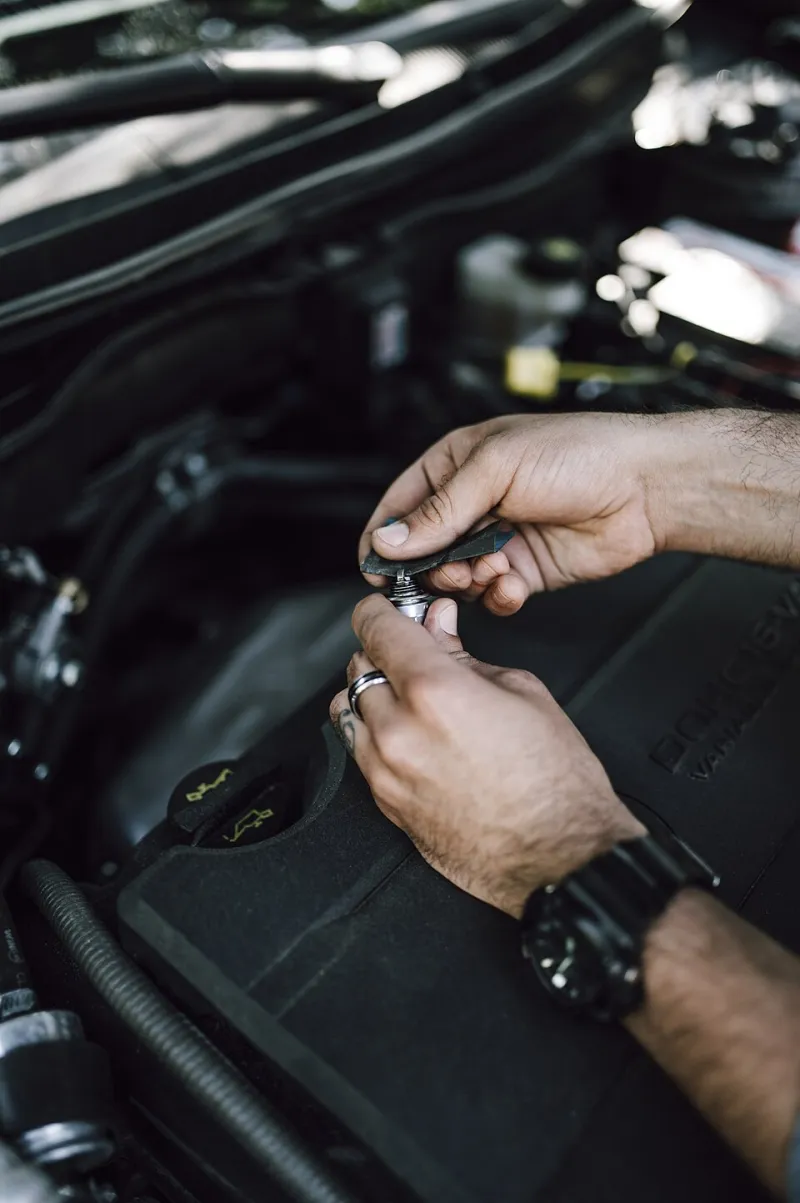
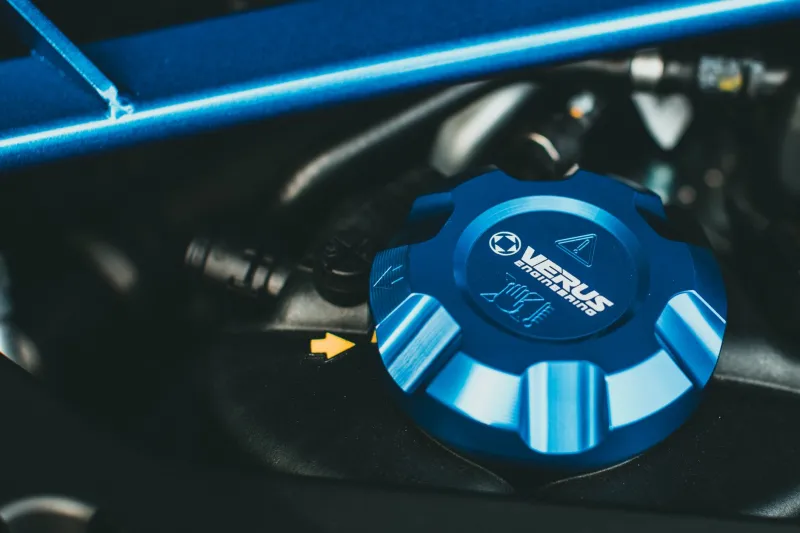
Start under the bonnet. A wet-belt engine usually has no visible dry timing belt at the front, because it is sealed inside. That is not definitive on its own, but it is a clue. Look at the oil filler cap and down into the cam cover if you can. Black sludge, grit or what looks like threads in the oil are bad news. Pull the dipstick. If the oil is thin, black and smells of fuel, the car has had short trips and long intervals, which is exactly the diet that kills wet belts.
Ask for the service invoices, not just the stamped book. You want to see the oil grade and the specification used. A stamp with no invoice tells you almost nothing. A receipt for a generic 5W-30 from a fast-fit centre is not proof of correct servicing on an engine that demands a specific low-viscosity oil.
Then start it cold. Not warm, not after the seller has had it running for ten minutes. Listen for a rattle on startup, watch for a flickering oil pressure light and check for blue smoke or a rough idle. If the seller will not let you start it cold, that is your answer. Walk.
The oil spec matters more than the sticker
Wet-belt engines are fussy about oil. The Ford 1.0 EcoBoost commonly calls for a 5W-20 meeting Ford's WSS-M2C948-B specification, depending on age and revision. The 1.2 PureTech often wants a 0W-30 to the PSA B71 2312 standard. Those are examples, not a universal rule. The handbook and the manufacturer data for that exact engine code are what count.
Service intervals are the other trap. A book might say ten years or 100,000 miles, but a hard life of short journeys, cold starts and cheap oil can make the belt tired long before that. Many independent specialists recommend doing the belt earlier as preventative maintenance. If you are buying a car with no proof of a belt change, price it as due. Do not assume you have another two years because the mileage is low.
The warning signs a seller will not volunteer
A stamped service book with no invoices is a red flag. So is a recent oil change with no mention of the belt, especially if the seller describes it as a fresh service. A bottle of engine flush in the boot is not reassurance. Neither is a car that has just been warmed up before you arrived.
Other things to look for include oil pressure warnings, a rattle on cold start, sludge under the filler cap, frequent top-ups and a seller who avoids questions about the timing belt. If the car has a recent MOT but no service history, that tells you it is roadworthy today, not that the engine is healthy.
Price the risk, not the optimism
A wet-belt replacement is not a £150 job. An independent specialist might charge £600 to £1,200 for a belt, tensioner and labour, depending on the engine and access. If debris has blocked the oil pickup or damaged the turbo, you are into four figures quickly. On a £4,000 car, that changes the whole deal.
So use it. If the belt has not been done and there is no proof of correct oil, treat the car as needing the job immediately. Get a quote from a specialist before you make an offer. Then either knock the cost off the asking price or walk away. A £4,000 car with a £1,200 immediate bill is a £5,200 car, and you have not even taxed it yet.
At BTC Motors, we would rather see a car with a belt invoice and the right oil than a shiny bonnet and a hopeful story. Wet belts are predictable. That is the good news. You just have to be the one asking the awkward questions before the money changes hands.