Modified, Mapped and Murky: A Real-World Handover Check for UK Project Cars

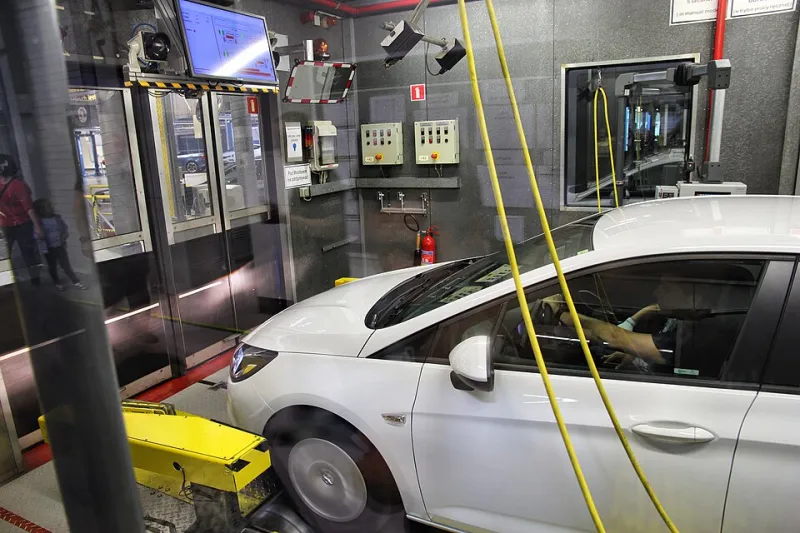
Photo: Willsome429, CC BY-SA 4.0, via Wikimedia Commons
The phrase 'standard apart from the exhaust' has probably cost UK buyers more money than any other sentence in the classifieds. It usually means standard apart from the exhaust, the remap, the coilovers, the uprated clutch and the wiring loom that looks like a bowl of spaghetti. If you are buying someone else's project, you are not just buying a car. You are buying their decisions.
That is fine. Modified cars can be brilliant. But the handover needs to be treated like a proper handover, not a handshake and a V5C.
The Advert Is a Claim, Not a Fact
Start by listing every modification the advert mentions. Then list the ones it implies. 'Fast road setup' usually means lowered suspension. 'Stage 2' means a remap and at least one supporting hardware change, or it means a sticker. 'Track-ready' can mean stripped interior and no heater.
When you view the car, check those claims against what is actually bolted to it. If the advert says standard engine and you can see a cone filter, a bigger intercooler and a boost gauge, the seller has already told you something about their relationship with accuracy.
Paperwork Is the Modification's MOT
A standard car's service history tells you how it was looked after. A modified car's paperwork tells you who did the work and whether they knew what they were doing.
Ask for receipts for every major modification: the remap, the suspension, the exhaust, the clutch, the brake kit. A receipt from a known specialist is worth more than a receipt from a mate with a ramp. Not because mates with ramps are useless — some are excellent — but because a specialist invoice usually comes with a before-and-after dyno sheet, a fault-code scan and a warranty.
Check the V5C against the car. Colour changes, engine swaps and major structural changes should be declared. A car that has been resprayed from silver to orange without a V5C update is a paperwork headache you do not need.
Insurance: The Quiet Deal-Breaker
This is the part people skip. Do not buy the car and then ring your insurer. Ring them before you buy, or at least get an online quote with the modifications declared.
A remap, lowered suspension, aftermarket wheels, a big brake kit, a stainless exhaust — these are modifications. Your insurer needs to know. If you do not tell them, you may be driving without valid cover, and that is a very expensive way to save twenty quid a month.
Some mainstream insurers will not touch modified cars. Specialists will, but the premium can be steep for a young driver or a car with a big power hike. If the quote is silly, the car is silly for you. That is not the seller's problem, but it is yours.
Receipts, Mapping and the Dyno Printout
A remap is only as good as its paperwork. Ask for the dyno printout, the map file name and the name of the tuner. A proper mapping session should give you a before-and-after graph, not just a WhatsApp message saying 'goes well now'.
If the seller claims a specific power figure, ask where it came from. A rolling road printout from a reputable dyno is evidence. A claim of 'about 300bhp' from a bloke who once watched a YouTube video is not.
Check for a map switch or a handheld controller. If the car has multiple maps, ask what they are and how they are selected. If the seller cannot explain it, that is a warning. You do not want to discover a 'valet mode' that is actually a low-boost limp map on the motorway.
The Test Drive Is a Diagnostic Tool
Start the car from cold. Listen for rattles, whines and exhaust blows. A modified car with a decat or a sports cat may be louder, but it should not sound like a tractor.
Drive it gently first. Check for fault codes with a cheap OBD reader if you have one. Then do a proper pull in third or fourth gear, where the law and the road allow. You are checking for hesitations, overboost, clutch slip and strange noises under load.
Find a bumpy road and listen to the suspension. Coilovers can be firm, but they should not clunk or knock. Check the tyre wear — uneven wear points to alignment or suspension issues. Check the brakes; a big brake kit is useless if the discs are warped or the pads are down to metal.
After the drive, look under the car. Check for oil leaks, fresh underseal hiding rust, and wiring that has been run through the cabin with no fuse. Modified cars often have extra wiring for gauges, pumps and lights. If it looks like a DIY disaster, assume the mechanical work might be similar.
When to Walk Away
Walk away if the seller will not let you have an independent inspection. Walk away if there are no receipts for the major work. Walk away if the insurance quote is absurd or the seller tells you not to declare the modifications. Walk away if the car has cut springs, a welded diff or a 'map by text message' and the seller cannot explain who did it.
There are good modified cars out there. They tend to come with folders of paperwork, a sensible owner and a price that reflects the work. The bad ones come with a fresh MOT, a hopeful story and a list of excuses.
Buy the paperwork as much as the car. It is the only way to inherit the good decisions and leave the bad ones behind.