The MOT File Doesn't Lie: Reading a Used Car's DVSA Record Like a Mechanic
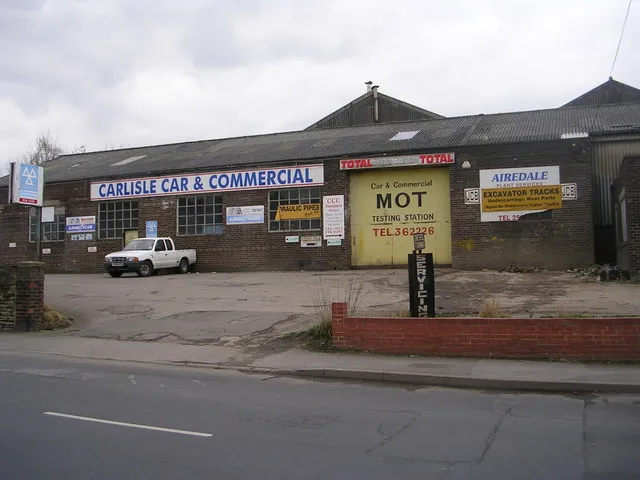
Photo: Betty Longbottom , CC BY-SA 2.0, via Wikimedia Commons
Most used-car listings give you a paragraph, a handful of photos and a hopeful price. The DVSA MOT history gives you a timeline. It is free, official and available before you waste a Saturday driving to a viewing. Treat it as the real service history — because for a lot of cars, it is the only independent record you will get.
The whole check takes about twenty minutes if you read it properly. Here is how to do that without disappearing down a rabbit hole.
Start With the Mileage Line, Not the Pass
Open the MOT history and look at the mileage recorded at each test. You are not checking that the car passed. You are checking that the numbers make sense.
A car that does 12,000 miles a year and then suddenly does 2,000 between tests is not automatically trouble. It could have been a second car, a lockdown relic or a weekend toy. But a car that goes from 84,000 to 61,000 between two MOTs has either had a clock change or a very creative typo. Either way, ask. If the seller cannot explain it with paperwork, assume the worst.
Look at the dates too. A gap of two or three years between MOTs is possible if the car was off the road, but it should come with a story and ideally a V5C that matches. A gap with no explanation is a red flag the size of a workshop door.
Advisories Are the Story
A pass is not a clean bill of health. The advisory section is where the previous owner's habits show up.
Repeated advisories for tyres, brakes or suspension suggest maintenance was done at MOT time and nowhere else. That is not unusual on older cars, but it tells you the car has been run on a shoestring. A single advisory for light misting on a shock absorber is one thing. The same advisory for four years running is an owner who ignored it.
Read the wording carefully. 'Nearside front tyre worn close to legal limit' means it was nearly illegal at test time. 'Corrosion to prescribed area' is not a cosmetic note. It means the tester found rust in a structural area and decided it was not bad enough to fail — yet.
Repeat Failures Tell You Who Owned It
A car that fails every year on the same item is not being maintained. It is being patched. That is useful information.
Look for patterns: repeated fails on brake pipes, suspension arms, welding, emissions. A fail on emissions followed by a pass a week later is normal — it was probably a sensor or a good thrash before the retest. A fail on emissions every year for three years is a car that is being kept alive, not looked after.
Also check the retest dates. A fail on Monday and a pass on Tuesday with no advisories can be legitimate. A fail on Monday and a pass six weeks later might mean the car sat around while the owner saved up. Neither is automatically a walk-away, but both deserve a question.
Corrosion Is Not a Cosmetic Issue
UK cars rust. That is not news. What matters is where and how often.
Advisories for corrosion on sills, subframes, chassis legs and suspension mounts are structural. They are also the sort of thing that gets worse quietly. A car with a fresh MOT and a list of corrosion advisories is not a bargain — it is a future welding bill.
If the corrosion notes repeat over several years, assume the metal has been thinning for a while. If the car has just passed with no corrosion notes after years of them, ask what changed. Sometimes it was properly repaired. Sometimes the tester was optimistic. A ramp inspection will tell you which.
Cross-Check the Advert, Then Walk Away
Now go back to the advert. Does it claim 'full service history'? The MOT record will not prove that, but it will show whether the car was at least presented for tests on time. Does it claim 'long MOT'? Check the expiry date and the advisories — a long MOT with a list of structural notes is not the same as a clean one.
Does it claim a specific mileage? Compare it with the MOT line. Does it claim 'no advisories'? The DVSA record will contradict that in seconds.
None of this replaces a proper inspection. An MOT is a snapshot of safety at one moment, not a warranty. But the MOT history is the closest thing you will get to an honest conversation with the car's past. If the seller gets defensive about it, that is your answer.
Twenty minutes now can save you a grand later. That is a better use of a Sunday than a second viewing.