Grip, Not Gimmicks: Five Mods That Earn Their Keep on a UK B-Road
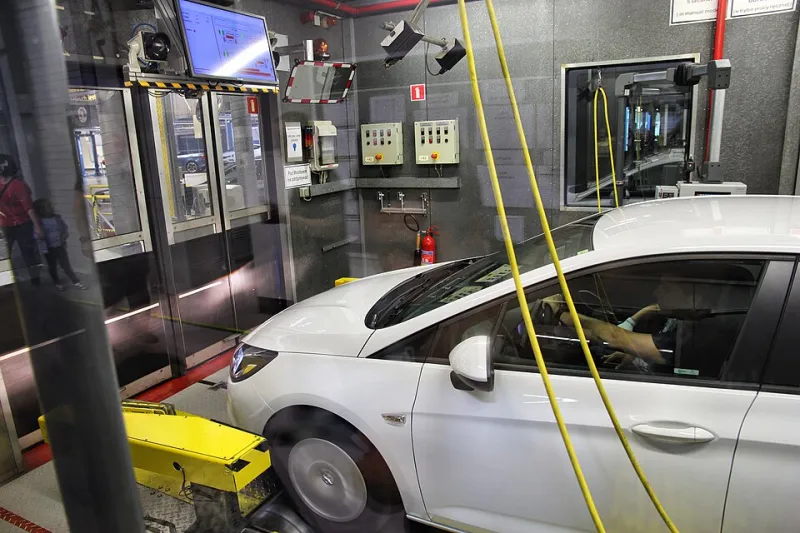
Photo: performance car damp UK B-road tyres suspension, via assets-global.website-files.com
A proper UK B-road car isn’t a track car with number plates. It’s a car that can deal with broken tarmac, standing water, blind crests and a surface that changes from sticky to greasy in the space of one hedge. Bragging about peak power at a cruise night is easy. Making real progress down a damp, lumpy lane without scaring yourself is harder — and cheaper, if you spend the money in the right order.
At BTC Motors we see plenty of cars with long modification lists and no actual pace. Big wheels, cheap coilovers, a decat and a ‘stage 1’ sticker do not add up to a quick B-road car. These five things do.
1. Tyres: the only part actually touching the road
Start here. Always. A decent set of tyres will transform a standard car more than a remap ever will on a wet road. You don’t need track-day rubber for a UK B-road; you need something with strong wet grip, a predictable breakaway and a sidewall that doesn’t fold the moment you ask it to change direction.
Check pressures monthly, replace tyres in pairs at minimum, and don’t run cheap part-worns on a car you actually drive quickly. The difference between a mid-range tyre and a good premium tyre in standing water is not marketing. It’s braking distance, and it’s the cheapest performance upgrade you’ll ever buy.
2. Brake fluid and pads: the bit that keeps you out of the hedge
Old brake fluid absorbs water. Water boils at a lower temperature than brake fluid, which means a long, hard B-road run can give you a spongy pedal and a lot less stopping power just when you need it. Change the fluid every two years — or before a track day — and use a decent DOT 4 from a sealed container.
Pads matter too, but don’t fit full race pads to a road car. They need heat to work, and on a cold, damp morning they can feel wooden. A good fast-road pad with strong cold bite and a set of fresh discs is money well spent. Braided lines can sharpen the pedal, but only after the basics are right.
3. Damping: compliance beats stiffness on broken tarmac
A B-road car needs suspension that can absorb a mid-corner bump without upsetting the chassis. Cheap coilovers usually fail that test. They’re often over-sprung, under-damped and set up for a smooth track rather than a UK lane full of patches and potholes. The result is a car that skips, crashes and loses grip — the opposite of fast.
A quality damper and spring package, or a refresh of tired OEM suspension, will usually beat bargain coilovers every time. If the car is on original dampers at 100,000 miles, they’re tired even if they aren’t leaking. Budget for decent dampers before you budget for more power.
4. Bushes: worn rubber makes good geometry pointless
Worn bushes let the suspension move in ways the designer didn’t intend. That means vague steering, uneven tyre wear and a car that feels nervy over crests and cambers. You don’t need a full polybush kit for a road car — that can add noise and harshness for little gain. Fresh OEM bushes or a sensible fast-road set will tighten things up without ruining the ride.
Check the usual suspects: front lower arms, anti-roll bar bushes, rear trailing arm bushes and top mounts. If they’re cracked, split or soft, they’re costing you grip.
5. Alignment: the cheapest handling mod going
A proper four-wheel alignment on a Hunter rig or similar is not glamorous, but it’s often the difference between a car that feels sharp and one that feels vague. UK roads and kerbs knock geometry out of spec. If you’ve changed ride height, replaced suspension parts or bought a car with unknown history, get it aligned.
Don’t ask for a race setup on a road car unless you know what you’re doing. A sensible fast-road geometry with modest negative camber and correct toe will give you better turn-in and tyre life without making the car twitchy in the wet.
The three noisy dead ends
Cheap coilovers. They’re the classic ‘looks’ modification. They can fail an MOT for insecure mounting, fouling or sharp edges, and they often make the car slower on a real road. More importantly, an undeclared suspension change can affect your insurance. If you can’t afford decent suspension, save up.
Decats. A decat is not a cheeky power mod. It’s an MOT emissions failure waiting to happen, it’s not road legal, and it’s increasingly easy for a tester to spot. It also stinks, drones on the motorway and can invalidate your insurance if undeclared. A sports cat or a well-made cat-back exhaust is the sensible route if you want noise and a bit of flow.
eBay chips and plug-in tuning boxes. If a £30 box promises 30% more power and better fuel economy, ask yourself why manufacturers spend millions on engine calibration. Cheap tuning boxes can over-fuel, trigger fault codes, damage clutches and emissions gear, and leave you with a car that’s unpleasant to drive. They’re also a modification your insurer will want to know about. Undeclared, you’re effectively driving uninsured.
Spend in the right order
Tyres, brakes, damping, bushes, alignment. That order will give you a car that stops, grips and flows down a damp B-road without a single Instagram-friendly sticker. Power can come later — and if you do chase it, declare it, insure it and make sure the rest of the car can handle it. Real pace is usually quiet, compliant and properly set up. The noisy stuff is just noise.