Hitched and Hidden: Five Used-Car Checks That Expose a Hard-Worked Tow Car
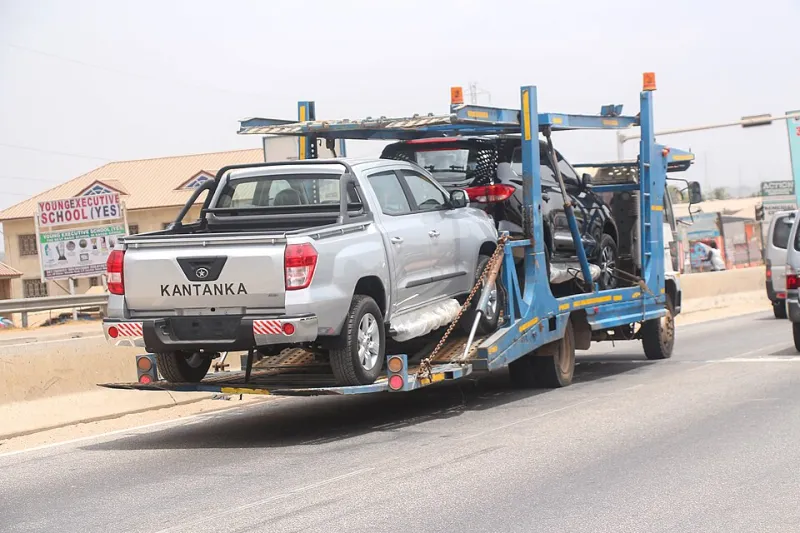
Photo: Fquasie, CC BY-SA 4.0, via Wikimedia Commons
Tow bars are honest. Owners can be vague, adverts can be creative, but a tow bar leaves a trail in steel, wiring and wear. If you are looking at a used car that has clearly done caravan duty, don't automatically walk away. Plenty of tow cars are looked after better than shopping cars. The trick is working out which sort you are standing in front of, and pricing the risk properly. At BTC Motors, we see enough ex-tow cars come through the workshop to know that the difference between a well-kept rig and a neglected one is usually obvious once you know where to look.
Start with the plate, not the bar
Before you get misty-eyed about the tow bar itself, check what the car is actually rated to do. The VIN plate gives you gross vehicle weight and gross train weight. The handbook or a reputable towing database will give you the towing limit and, just as importantly, the noseweight limit. A bar bolted to a car that was never rated for the caravan behind it is a red flag, not a bargain.
Look for a type approval label on the tow bar. In the UK, a bar fitted to a car used for towing should be suitable for the job and properly approved. A receipt from a known fitter is worth more than a shiny chrome ball. If the seller says it was only ever used for a bike rack, ask why the 13-pin socket is worn, why there is a caravan-style breakaway cable loop, and why the boot floor has a faint outline of a stabiliser hitch. People forget what they have told you.
Also ask whether the tow bar was declared to the insurer. It sounds boring, but modified or added equipment can matter if a claim goes sideways. A five-minute phone call before you buy is cheaper than a nasty surprise later.
Clutch, gearbox and the hill test
This is where a hard-worked tow car gives itself away. Towing puts load through the clutch, the gearbox, the driveshafts and the cooling system in a way that normal driving rarely does. A car that has spent its life pulling two tonnes up a slip road will have worn components that a low-mileage city car never touches.
Drive the car from cold. A clutch that bites high, shudders or smells after a few hill starts is telling you something. With an automatic, watch for flare between gears, a slow engagement from rest, or a shudder under light throttle that feels like a rumble strip. Some of that can be normal for the model, so compare it with how the car behaves once warm, but don't ignore it.
Find a decent incline and do a controlled hill start. Then do a low-speed manoeuvre, the sort of thing you would do on a caravan pitch. Listen for clunks from the driveline and feel for shunting. Check the service history for gearbox oil changes, especially on automatics and dual-clutch boxes. Towing is hard on fluid, and a seller who has skipped those services is not a careful tow-car owner.
Cooling systems and fluids tell the truth
Towing generates heat. A car that has been used for caravan duty needs a cooling system that is up to scratch, not just one that survives the school run. Open the bonnet after the test drive and look at the expansion tank. A stained bottle, a low level, or coolant that looks like rusty tea is not a good sign. Check the radiator fins for mud and bent fins, and make sure the cooling fan cuts in when it should.
If the car has an automatic gearbox, ask about the transmission fluid. Some are sealed for life, which in the real world often means sealed until something expensive happens. A dedicated auxiliary transmission cooler is a good sign on a tow car; a makeshift setup with cable ties and hope is not. Look under the car for fresh leaks around the gearbox, differential and engine sump. A faint weep can become a proper leak once the car is working hard again.
Chassis, mounts and rear-end strain
A tow bar puts load into the boot floor and rear chassis legs, and noseweight pushes down on the rear suspension. Get underneath the back of the car, ideally with a torch and a screwdriver you can gently probe with. Look at both mounting points, not just the one you can see easily. Corrosion around the bolts, cracks in the boot floor, elongated holes or fresh underseal hiding a patch are all reasons to slow down.
Check the rear springs and dampers for signs of sagging or misting. Look at the rear tyre wear — uneven inner edges can point to tired suspension or a bent axle. On a removable tow bar, check the socket for rust and make sure the bar locks in properly. On a fixed bar, check the bumper cut for tidiness. A rough cut is not a deal-breaker, but it tells you how the rest of the job was done.
Electrics, sockets and DIY wiring
Trailer wiring is where many tow cars reveal their true nature. A neat 13-pin installation with a proper trailer module and a bypass relay is what you want. Scotchlocks, twisted wires and insulating tape are what you don't. Test every pin with a trailer board or a meter: indicators, brake lights, tail lights, fog light and the charging circuit where fitted. A dodgy earth can make the car's own lights do strange things, and modern cars are not fond of back-feed through the body control module.
Ask whether the car has had a split-charge relay or coding for trailer electrics. If the seller looks blank, that is not necessarily fatal, but it means you should budget for a proper auto-electrician to check it. Wiring faults can drain batteries, trigger warning lights and waste hours on a diagnostic machine. A £15 socket tester is a sensible thing to carry when viewing any car with a tow bar.
The verdict
A tow bar is not a reason to run away. A well-maintained tow car often has motorway miles, regular servicing and a careful owner who knew it had to get the caravan home. But the opposite is also true. Clutch, gearbox, cooling, chassis and wiring are the five places where hidden towing costs live. Inspect them properly, price any work into the deal, and don't let a shiny tow ball distract you from a tired clutch. Buy the car, not the story.