The Missing Spare Isn't a Freebie: A Used-Car Key Audit
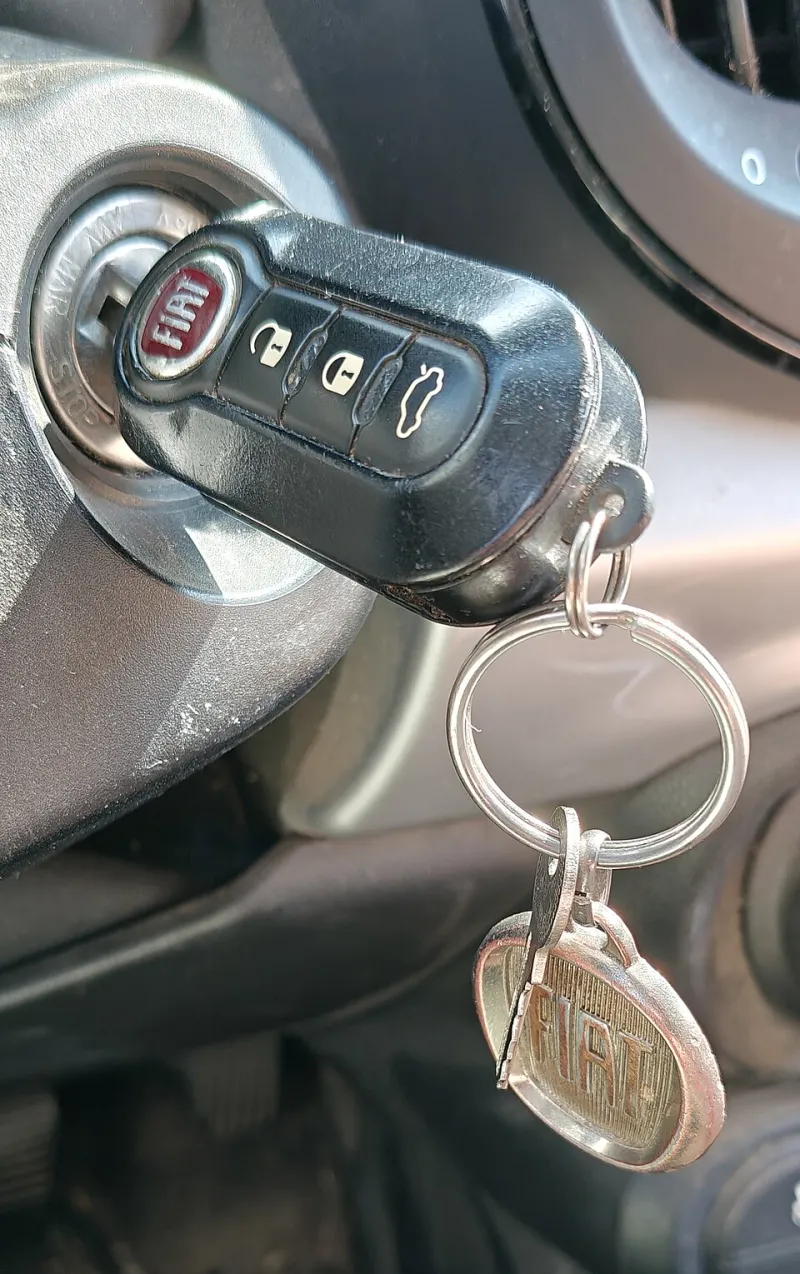
Photo: Trollercoaster42, CC BY-SA 4.0, via Wikimedia Commons
You spot the car online, the photos look sharp, the mileage stacks up and the seller says it drives lovely. Then you meet at the forecourt, open the driver's door and ask the question that somehow gets forgotten: how many keys are there? One. Just the one. Cue the vague shrug about the spare being "somewhere at home" or "the previous owner kept it." That is your cue to slow down.
A missing spare key is not the end of the world, but it is also not a freebie. On a modern UK used car it can mean coding, immobiliser work, a trip to an auto locksmith and an awkward chat with your insurer. Treat it as a proper item on the checklist, not a footnote.
Start with the key count, not the paint
Before you get lost in tyre brands and service stamps, put both keys — if there are two — on the bonnet and test them. Lock, unlock, start, repeat. Check the buttons work from a sensible distance, not just when you are leaning through the window. Look at the physical blade, if the fob has one, and make sure it actually turns the door lock. A remote that opens the car but a blade that has never been cut is a small clue that something has been swapped, repaired or replaced in a hurry.
Ask where the car came from and whether the keys match the story. A two-owner car with one key is not automatically dodgy, but a nearly new car with a single fob and no explanation deserves a raised eyebrow. If the seller mentions a key code card or a tag with a number on it, ask to see it. Those details make replacement easier and cheaper, and their absence is worth knowing about before money changes hands.
The real cost of a one-key car
Replacement costs vary wildly depending on the car, the age and whether you go main dealer or independent. A simple remote fob for an older motor might be £100–£200 supplied and coded. A modern keyless fob, especially one that needs dealer-level programming, can easily run £250–£500 or more. Some premium and commercial vehicles go higher. Add an auto locksmith callout and you can see why a missing spare is not a £20 problem.
Then there is the immobiliser question. A new key is not just a chunk of plastic with buttons. It has to be programmed to the car, and in many cases the lost keys should be erased from the system so they cannot start the vehicle. That is the bit buyers forget. If you only get one key, you do not know where the other one is or who has access to it. On a keyless car, that matters even more.
Insurance and theft risk are part of the same conversation
Some insurers ask how many keys you have when you take out a policy, and a few will want to know about keyless entry and whether the fobs are kept in a signal-blocking pouch. Rules differ, so do not take a forum post as gospel — ring your insurer or read the policy wording. The point is that a one-key car is not just a convenience issue. It is a security question.
The sensible move is to have the remaining key checked and, if needed, have any missing keys erased and the present key re-coded. An auto locksmith can often do this mobile, and a good independent garage will know who to call. Ask for proof of what has been done. A receipt for key coding is worth more than a reassuring nod.
Use it as a lever, not a lecture
A missing spare is a legitimate negotiating point, but keep it realistic. Do not knock £1,000 off a £4,000 hatchback because it has one key. Price the replacement properly, add a bit for the hassle, and make an offer based on that. If a coded spare is likely to cost £300, asking for £250–£300 off is fair. If the seller will not move, at least you know what you are taking on.
For trade buyers, the same logic applies to prep. A one-key part-exchange is not a disaster, but it needs to be costed into the deal and sorted before the car goes on the forecourt. A fresh key and a clean coding receipt protect the margin and save the awkward conversation with the next buyer. Cheap prep here tends to become an expensive complaint later.
When to walk
If the seller cannot explain the key situation, will not let you test both fobs, or gets shifty about a missing key on a high-value keyless car, walk. There are plenty of used cars about. A missing spare is one thing; a missing story is another. Check the keys early, price the fix honestly and treat the fob audit as part of the test drive, not an afterthought. The paintwork can wait — the immobiliser cannot.