Your Remap Has a Paper Trail — Make Sure Your Insurance Does Too

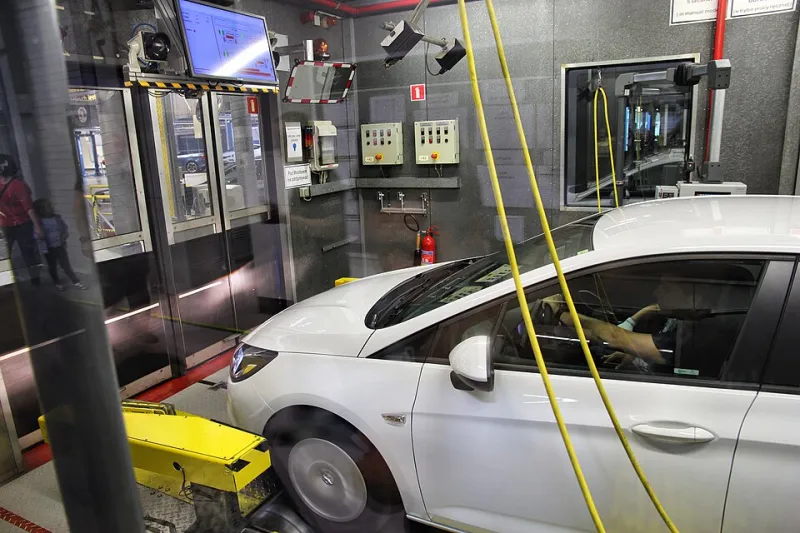
Photo: car remap laptop dyno tuning garage UK, via images.pexels.com
Most modified-car horror stories don't start at the scene of the crash. They start at a kitchen table, with a quote that was never updated. The car gets a stage one map in March, a set of coilovers in June, and by November the owner genuinely can't remember whether they told anyone. Then a wet roundabout, a kerb, and a claims engineer with a torch.
Insurance isn't a moral test. It's a contract built on the information you give. If the insurer asks whether the car is modified and you say no — or say nothing when you should have said something — you've given them a reason to reprice the risk after the event. Sometimes that means a bigger excess. Sometimes it means a reduced payout. Sometimes it means the whole claim gets messy enough that you wish you'd just paid the extra £80 a year.
'It's Only a Remap' Is Not a Defence
A remap is not a software update like your phone gets. It changes power, torque, fuelling and sometimes the way the gearbox behaves. Insurers care because it changes how the car performs, how it wears, and how much it costs to replace if it disappears. The same goes for lowering springs, bigger wheels, a stainless exhaust, a hybrid turbo, uprated brakes or a bodykit that makes the car look like it's been to a track day.
The phrase 'material fact' gets thrown around a lot. In plain English, it means something a prudent insurer would want to know when deciding whether to take the risk and what to charge. A stage two map with a decat and a bigger intercooler is clearly material. So is a set of 19-inch wheels on a car that left the factory on 17s. You don't have to list the air freshener. You do have to list the stuff that changes the car.
Since the Consumer Insurance (Disclosure and Representations) Act 2012, the test is usually whether you took reasonable care to answer the insurer's questions honestly and accurately. That's not a licence to keep quiet. If the proposal asks 'has the vehicle been modified?' and you tick 'no' because the map is switchable, you're not clever — you're just creating evidence.
The Quote Call: Do It Before the Work, Not After
The cheapest time to find out your insurer won't touch a mapped car is before you book the dyno. Ring them, or use a specialist broker who deals with modified cars all day. Be boringly specific. List the modification, the claimed power and torque, the suspension type and ride height, the wheel and tyre sizes, brake changes, exhaust, intake, and whether the car is used on track.
Ask three questions: will you cover it, what will it cost, and what happens to like-for-like cover if it's written off? A standard policy might replace your modified car with a standard one. That's not much help when you've spent four grand on parts. For heavily modified cars, an agreed-value policy with a specialist is often the only sensible route. You agree a value up front, usually with photos, receipts and sometimes an independent inspection, and the payout isn't based on a guide figure that has never seen a roll cage.
Don't use euphemisms. 'Cosmetic wheels' means nothing. 'Just an exhaust' means nothing if the rest of the system is stainless and the car now sounds like a rally stage. If you've bought the car already modified, declare what you know and ask the insurer to confirm what they've got on file. Keep the email. If they say 'that's fine, no change to premium', save that too.
What Happens When a Claim Meets an Undeclared Map
The engineer doesn't need to be Sherlock. A remap can leave traces in the ECU, boost logs, fuel trims and fault memory. Modified suspension is visible. Wheels are visible. An exhaust is audible from the next street. If the insurer suspects the car isn't as described, they can investigate, and the investigation usually happens when you're already stressed and without your car.
The outcome depends on the facts. A genuine slip — a modification you forgot to mention — is treated differently from a deliberate lie. But 'I forgot' gets harder to swallow when the car has a folder of receipts and a dyno printout in the glovebox. The insurer may reduce the payout proportionately, apply a higher excess, or in serious cases treat the policy as void. Void doesn't mean 'free money'. It can mean no payout, a cancelled policy on your record, and a difficult conversation with the next insurer.
There's also the third-party problem. If you injure someone or damage their property, the insurer may still have to deal with the third-party claim under UK road traffic law, but they can come after you for what they've paid. That's the bit people don't think about when they're saving £100 on a premium.
The Paperwork That Earns Its Keep
Keep a modification file. Receipts for parts, invoices for labour, the dyno sheet, alignment printout, photos before and after, and the insurer's written confirmation that the mods are covered. If you change something mid-policy, tell them the same week. A set of winter wheels might not matter; a set of bigger brakes probably does.
If you're selling, hand the file over. If you're buying a modified car, ask for it. A seller who can't produce a single receipt for a 'stage two build' is telling you something. And if you decide the mods aren't worth the premium, putting the standard parts back on is a legitimate route — but tell the insurer you've done it, get the policy corrected, and keep the standard-parts invoices. Don't swap the car back to standard after a claim and hope nobody notices the shadow of a roll cage.
Sometimes Standard Is the Cheaper Build
Not every modification is worth insuring. A cheap set of lowering springs on a daily driver can cost more in premium, excess and hassle than they return in looks. If the car is mostly standard and the mods are marginal, reverting to factory spec and selling the parts can be the sensible financial call. That's not defeat. That's maths.
The rule is simple: if you've changed the car, change the paperwork. The call takes ten minutes. The claim without it can take months.
BTC Motors has seen enough modified trade-ins to know that the folder is often worth more than the parts. Build it as you go.